
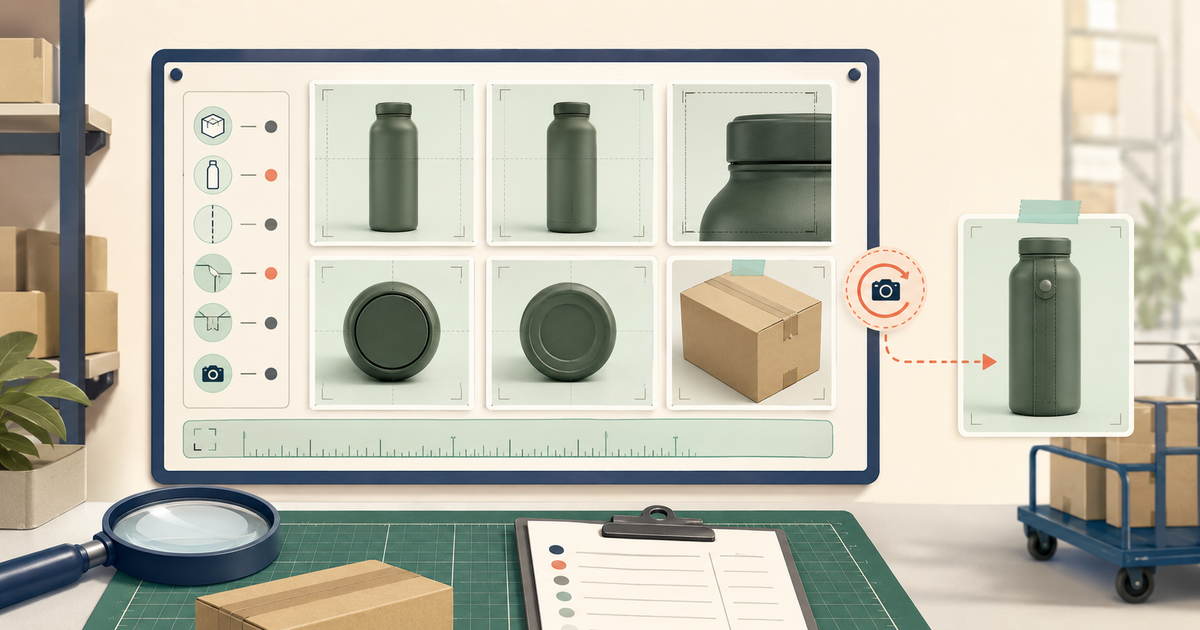
A clothing spreadsheet becomes useful when it helps you compare the right details. A T-shirt needs a different measurement record from a necklace, belt or bag. Start with the category, record the exact source product and compare a few relevant candidates before opening Hubbuy. This guide uses the catalogue as a discovery tool and explains the checks that make clothing and accessory links easier to evaluate. Prices shown in the catalogue are item references in USD; the selected option and final charges belong to the current order page.
Start with one category and one purpose
Choose whether you need a fitted T-shirt, a loose hoodie, an everyday bag or an accessory for a specific outfit. Those purposes change which measurements matter. A broad search for a brand can mix unrelated products and make the lowest price look more useful than it is. Category browsing creates a better comparison group before you add a style, colour or model name.
Keep your first shortlist small. Three comparable garments with clear measurements are easier to assess than twenty mixed finds. Record what the item must do, the dimensions that matter and any detail you cannot compromise on. This gives you a reason to remove a candidate even when its thumbnail looks appealing.
Measure a reference garment you already own
Place a well-fitting garment flat and measure the dimensions you want to reproduce. For a top, useful starting points include chest width, shoulder width, body length and sleeve length. Record where each measurement begins and ends. A seller measuring from a different point can produce a different number without either measurement being wrong.
Use the same units throughout your notes and distinguish flat width from circumference. A chest width measured across a flat T-shirt is not the same quantity as a body circumference. Allow for the fit you actually want and compare with the listing chart, not just the letter on the size label. The familiar label M or L does not make two unrelated garments equivalent.
Compare T-shirts by shape and construction
A T-shirt comparison should include neckline shape, sleeve cut, body length, fabric information and any print or embroidery placement that matters to you. Product pictures can reveal some visible details but cannot reliably establish fabric weight, fibre composition or how the item feels after washing. Look for stated specifications and record gaps instead of filling them with assumptions.
When two candidates have the same printed design, check whether their underlying cuts differ. One may be cropped, another longer or wider. A selected colour can also use a different photograph from the colour you intend to order. Save the exact option and its chart so that a later warehouse image has a clear reference.
Check hoodies and layered clothing
For hoodies, add cuff, hem, hood and fastening details to the comparison. A zip hoodie and a pullover can look similar in a small image but create different fit and use requirements. If you intend to wear layers underneath, compare the measurements with a reference garment used in the same way. Do not turn a styling photograph into a precise size chart.
Read the available fabric description carefully and separate a seller statement from something visible in a photograph. Close-ups may show seams or texture, while thickness and comfort can remain uncertain. If the shoulder construction makes a standard shoulder measurement ambiguous, use the seller method and request the measurement that actually resolves the fit question.
Compare chains and necklaces with dimensions
For Hubbuy chain and necklace finds, record chain length, width, pendant dimensions, closure type and what is included. A close-up pendant photo may hide how short the chain is. Compare the full necklace and fastening rather than relying on the main picture alone. If a listing offers several lengths, identify which option the displayed reference price describes.
Treat metal names, coatings and material claims as listing information unless there is reliable supporting evidence. Colour in a photograph does not establish precious-metal content, plating durability or suitability for sensitive skin. When material information is missing and it matters to you, seek clarification before buying. Do not infer a safety or allergy guarantee from a QC picture.
Check bags, belts and included parts
For a bag, compare outside dimensions, opening width, strap length, closure and internal compartments. If it must hold a particular device or object, compare the usable opening and internal space with that object. A large-looking exterior does not guarantee the intended item will fit through a narrow opening or around an internal divider.
For a belt, distinguish total length from the usable fastening range. Record width, hole spacing, buckle type and whether a detachable component is included. In sets, list each piece explicitly. A photograph can show styling props that are not part of the purchase, so the selected option and description should settle the actual contents.
Make a like-for-like price comparison
Compare the same quantity and variant before treating one candidate as cheaper. Note the catalogue reference price, the amount currently displayed on Hubbuy and the date checked. Keep domestic shipping, optional services, payment conversion and international freight as separate unknowns until the relevant order screen supplies them. A low item price alone does not describe the delivered cost.
Use the same currency when comparing your shortlist, and check the payment amount in the currency you will actually use. The catalogue shows USD references rather than a guaranteed final Brazilian-real charge. If you need a BRL estimate, keep the conversion assumption visible and recheck the actual checkout amount before paying.
Create a QC request with a specific purpose
After warehouse arrival, compare the received item with your saved order. Check colour, size label, visible construction and included parts first. Request a measurement or close-up when it can change your decision. For example, ask for the garment laid flat with a ruler across the required dimension, rather than requesting more pictures without explaining what you need to see.
For a chain, a useful request may show the complete length and the closure in focus. For a bag, it may show the opening, strap attachment or internal layout. Keep the request observable and concise. Warehouse photos can reveal visible differences, but they cannot establish every material property, long-term strength or future performance.
Plan protection before combining items
Separate the protection needs of soft clothing, rigid accessories and delicate surfaces. A chain can become tangled; a buckle can mark another item; a structured bag can lose shape if packed carelessly. Ask which packing choices are available for your actual order and check their current charges. Avoid choosing packaging solely by how little it weighs.
Removing unnecessary retail packaging may reduce bulk, but protective packing can still be necessary. Review packed weight and dimensions before selecting an international route. Do not assume that putting every item in one parcel is always cheaper or appropriate. Compare compatible groups using the information actually available at the shipping stage.
Work through a clothing and accessory shortlist
Imagine choosing a hoodie and a necklace for the same outfit. Measure a reference hoodie, then compare three listings using chest width, length and sleeve method. Remove a candidate with no way to confirm the required size. For the necklace, compare chain length and pendant dimensions rather than selecting the closest-looking thumbnail. Record the two original product IDs and exact options independently.
At warehouse arrival, inspect each product against its own record. Only then decide how to protect and combine them. This keeps a clothing fit question separate from an accessory measurement and from a parcel-cost decision. A useful shortlist captures those different questions instead of reducing everything to one price or one quality label.
Keep the record current and easy to revisit
Save the product link, original ID, chosen option, relevant measurements, current price context and the date of your check. Add a brief note about unresolved details. Reopen the live destination before ordering if the shortlist has been sitting for a while. A saved reference does not reserve stock or freeze the seller offer.
Use the category links below to begin with comparable products. If you only have a picture, follow the image-search guide first and return to these checks once you have a candidate. The final decision should connect an identifiable listing, a suitable size or dimension and the available evidence for that particular item.
Turn clothing finds into a measured first-order plan
Compare a T-shirt and a hoodie using the measurements that matter to their different cuts. Record chest width, body length and any relevant sleeve measurement from the exact listing, then compare them with garments you already own. A familiar size letter is not a common measurement standard. For an accessory, replace the clothing fields with dimensions, included parts and the declared material.
Make one shortlist for essential items and another for optional additions. Check the delivered-cost effect before adding a low-price accessory from another seller: domestic delivery, packing and the international package may change. Keep a separate freight reserve. After warehouse arrival, use order-specific QC to confirm the chosen option before combining goods. The first-order budget guide below walks through this decision with a fictional basket and identifies which costs are still estimates.