
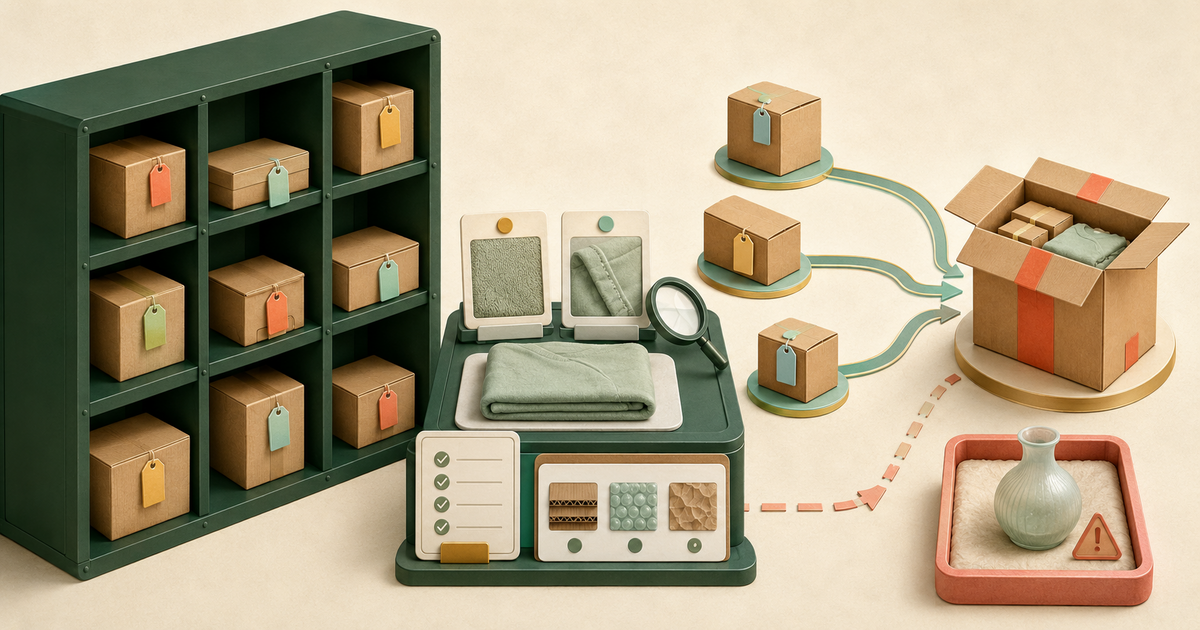
Warehouse storage is most valuable when it creates time to inspect arrivals and build a sensible parcel. It becomes a problem when “I still have time” replaces inventory control. This guide uses Hubbuy’s advertised storage period as a planning tool, not an excuse to leave orders unattended.
Research note: Hubbuy’s official homepage currently advertises 300 days of free storage and says different orders can be combined for shipping. The public statement does not replace the current order, return, restriction or warehouse terms shown in a customer’s account.
Hubbuy advertises 300 days of free storage after warehouse arrival
The official “How to Purchase” sequence places storage beside quality inspection. After the seller sends the goods to the warehouse, Hubbuy says the item enters inspection, free quality-inspection images are provided and 300 days of free storage are available. The next stage supports combining different orders before international shipping is paid.
Those statements explain the practical purpose of the warehouse. Orders from different domestic sellers do not need to arrive on the same day. The buyer has time to review each item, wait for compatible purchases and create a parcel later. Storage connects purchasing with consolidation.
It should not be read as a promise that every related deadline also lasts 300 days. A seller-return window, order issue process, route availability or product condition may follow different rules. Check the current order interface when an item arrives, especially if something is wrong. The advertised storage period is planning room, not a universal dispute deadline.
Track each arrival as if it belonged to a small inventory
A parcel may contain purchases from several sellers, placed on different dates and delivered under different domestic tracking numbers. Memory becomes unreliable quickly. Keep one row for every order with the source URL, seller, selected variant, order date, warehouse-arrival date, QC status and intended parcel group.
Use three simple states: waiting for warehouse, needs review and approved for parcel. Add a fourth—problem or support—when an item cannot be accepted. This prevents a new arrival from being accidentally consolidated before its photographs have been checked.
Record the evidence that matters, not every screen in the account. The selected-option screenshot, readable order summary and warehouse photo set are usually more useful than a folder of unrelated page captures. Give files a name that connects them to the item rather than relying on download timestamps.
Long storage does not make a slow QC decision safer
Review warehouse images soon after they appear. Compare the physical item with the saved color, model, size and quantity. Check visible condition and request one precise missing detail when it could change the decision. If the item is wrong or damaged, consult the current order and support options instead of assuming the storage period defines how long a seller will accept a return.
A practical rhythm is to review each item individually on arrival, then review the whole parcel group before submission. The first review protects the item decision. The second catches combination problems: a missing accessory, a restricted electronic product, a fragile object that needs different packing or a bulky box that changes the cost plan.
Hubbuy’s public homepage confirms free quality-inspection images, but it does not state a universal image count. Work with the set attached to the live order, and use our QC checklist when a visible detail needs a more specific question.
Wait for a reason, not just because storage is available
Suppose a jacket arrives on Monday, shoes on Friday and a small accessory the following week. Waiting can make sense if all three are approved, route-compatible and intended for the same destination. It may avoid paying the fixed overhead of several separate parcels. Hubbuy’s homepage explicitly supports combining different orders and describes combining products from multiple sellers into one parcel.
But every extra item changes the package. Shoes with a box add volume. A soft jacket may fill empty space efficiently. A small battery-powered product can affect route eligibility. A fragile item may require a stronger box and more cushioning. Consolidation should be recalculated when the contents change.
Set a parcel trigger before you start waiting. It might be “ship when these three named orders are approved,” “ship when the parcel reaches my planned budget range,” or “ship before a time-sensitive need.” Without a trigger, the warehouse can become a holding area for unrelated purchases rather than a controlled step in the buying process.
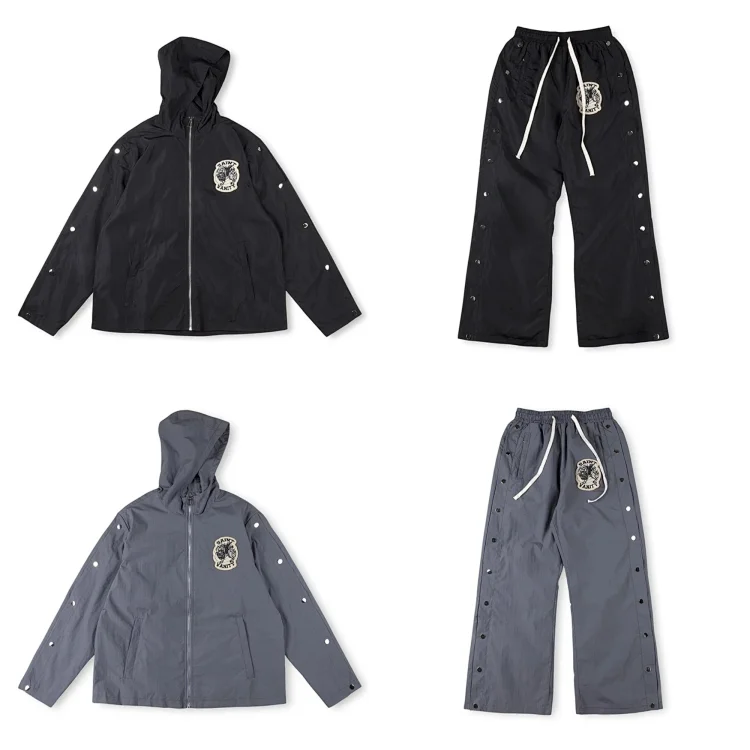 Related clothing pieces may consolidate neatly after every variant is approved.
 Many light items can still create a bulky parcel with uneven shapes.
Combine compatible risks, not every item on the shelf
Start with route compatibility. Batteries, liquids, magnetic items and other restricted categories may have fewer options than ordinary clothing. Then consider physical compatibility. A hard, heavy object can damage soft goods; a fragile item may need separation or reinforcement; a high-value product may deserve a different risk and tracking choice.
Next consider size. A very bulky item can increase the chargeable dimensions of a parcel that would otherwise be compact. Compare one combined plan with a sensible split using the current route information. The best answer may be one parcel, two parcels or waiting for one final compatible item—but it should come from the numbers and restrictions, not from a belief that consolidation is always cheaper.
Close the warehouse stage with a final evidence check
Before paying international shipping, confirm that every included item is approved, the quantities are correct and no unresolved support case is attached to the parcel. Review the final weight, dimensions, packaging request, available route and declaration information. Save the parcel submission and tracking details.
After delivery, photograph exterior damage before opening and keep the packaging while checking the contents. Match each delivered item back to the warehouse ledger. A clean record from source listing to final parcel gives support a timeline that is far easier to understand than scattered screenshots and memory.
Storage gives you time to make better item and parcel decisions. Use that time deliberately, then close the record only after the shipment is delivered and checked.
Clear answers, without filling gaps with guesses
How much free storage does Hubbuy advertise?
Hubbuy's official homepage currently advertises 300 days of free storage after warehouse arrival.
Should I wait 300 days before shipping?
No. The advertised period is useful planning room, not a recommendation to delay. Review each item promptly and check current order, return and storage rules in the live interface.
Why combine orders in the warehouse?
Combining compatible items can reduce repeated parcel overhead and Hubbuy's homepage explicitly supports combining different orders for shipping.
Should every stored item go into one parcel?
Not necessarily. Product restrictions, fragility, battery status, value, dimensions and route eligibility may make separate parcels more sensible.
The 300-day free-storage statement, free inspection images and support for combining different orders are official homepage facts. Return windows, route rules and account-specific conditions are intentionally not inferred from the storage headline. Verified against the official Hubbuy homepage on 20 July 2026. Practical checklists are independent editorial guidance; live account terms remain the current source.
Ready to research a live product?
Use the catalog to find a lead, then confirm the individual seller listing before making a decision.
See the calculation, interface logic and exact official section
These additions separate three things that are often mixed together: what Hubbuy states publicly, the example used to explain a decision, and the live account data that must still be checked at transaction time.
The official policy labels visible in Hubbuy’s footer may lead to account-gated help content. This article does not claim that a login-only rule was independently verified from a public page. For transaction-specific restrictions, use the live order or parcel interface and current official support.